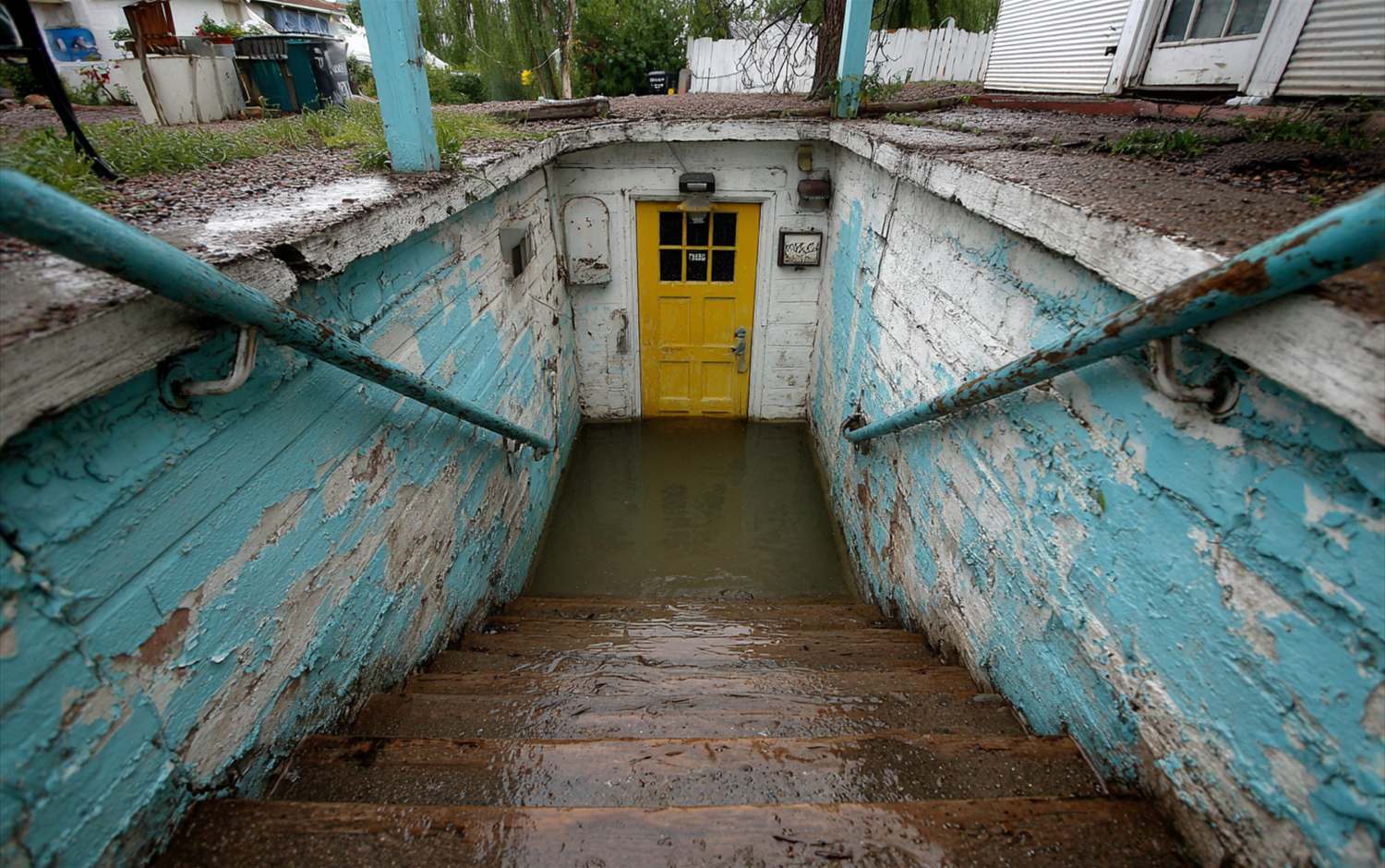
Source: a leak in one household that reaches the other: an upstairs washer, bathroom or kitchen leaking into the basement apartment below, or a basement unit's water heater or bath affecting the shared spaces. The water is ordinary; the arrangement isn't.
Two Households, One House
Basement apartments are common in West Jordan and across the Salt Lake Valley. Some house a grown child or a parent; others are rented to tenants. Many have their own entrance, a small kitchen, a bathroom and bedrooms with egress windows. They share the same plumbing trunk, the same main shutoff and usually the same water heater room as the house above.
When water moves between floors, it moves between households, and that changes who needs to know and who decides.
Who Does What
| Person | Usual role |
|---|---|
| The tenant (if rented) | Reports the leak to the owner right away, in writing, with photos; protects belongings |
| The owner | Arranges the restoration work, decides with the company what's removed, contacts the insurer |
| The restoration company | Extracts, dries and documents; works with whoever arranged the job |
| The insurers | The owner's policy usually covers the building; a renter's policy covers the tenant's belongings |
Source: if the leak started upstairs and the owner lives upstairs, the owner is usually first to know. If it started in the apartment, the tenant usually is.
For Tenants
- Stop the water if you safely can, at the fixture or the main if you know where it is.
- Tell the owner immediately, then follow up in writing (a text or email with photos and the time).
- Move your belongings off the floor and away from the wet area.
- Photograph your things that got wet.
- Contact your renter's insurance, if you have it.
Utah's fit-premises law sets out the duties of owners and renters for keeping a rental livable, and written notice matters under it.
Water coming down into the apartment?
Basement first, then the rest: (385) 318-3819.
Call (385) 318-3819For Owners
- Get the source stopped and the water out quickly; a ceiling leaking into a bedroom below won't wait.
- Coordinate access with the tenant for the inspection, extraction and daily drying visits.
- Decide with the company what has to be removed, and document it for your insurer.
- Talk to the tenant about whether the apartment can be lived in while equipment runs; it's loud and runs day and night.
- Keep copies of everything: photos, readings, the scope and invoices.
Drying a Basement Apartment
The work is the same as any finished basement: extraction, removal of wet pad and drywall, measured drying of the slab and walls. If water came through the ceiling, part of it may be opened so the space between floors can dry. Kitchens and bathrooms in the apartment may need cabinets pulled or toe-kicks removed to reach water underneath. More: flooded basement cleanup.
Preventing the Next One
- Leak sensors under the upstairs washer, dishwasher and sinks, and beside the water heater
- A drain pan under the upstairs washer if the laundry sits over the apartment
- A clear plan for where the main shutoff is and who can reach it
- Written contact details for both households
Around West Jordan and Next Door
Houses with separate basement entrances are common in Edenbrooke and across older blocks in Taylorsville. In Midvale, newer townhomes have a similar upstairs-downstairs problem with neighbors instead.
Utah Fit Premises Act (Utah Code 57-22)
When the Leak Starts Downstairs
Not every leak runs from the top down. A basement apartment has its own bathroom, kitchen sink and often a washer, and those can leak into shared spaces: the furnace room, a common laundry, or a storage room the owners use. A shower pan that's been seeping for months can wet the slab under a bedroom wall before anyone sees it. A tenant who notices a damp smell, soft flooring or a stain near the bathroom should mention it early; small leaks found early are a few days of drying, and the same leak found a year later can mean new floors and drywall.
Putting Agreements in Writing
A short written note between owner and tenant about water problems saves arguments later. It can say who to tell first, how to reach each other at night, where the main shutoff is, and whether the tenant may let a restoration crew in when the owner is away. Many owners add it to the lease. It doesn't need legal language; it needs names, numbers and the location of the valve.
Questions
Can the tenant arrange the restoration?
Usually the owner does, since the work affects the building. A tenant should get the owner's approval before anyone opens walls.
Who pays for the tenant's damaged belongings?
Typically the tenant's renter's insurance. The owner's policy usually covers the building itself.
Does the tenant have to move out during drying?
Not always. It depends on how much of the apartment is affected and whether the space is livable with equipment running.
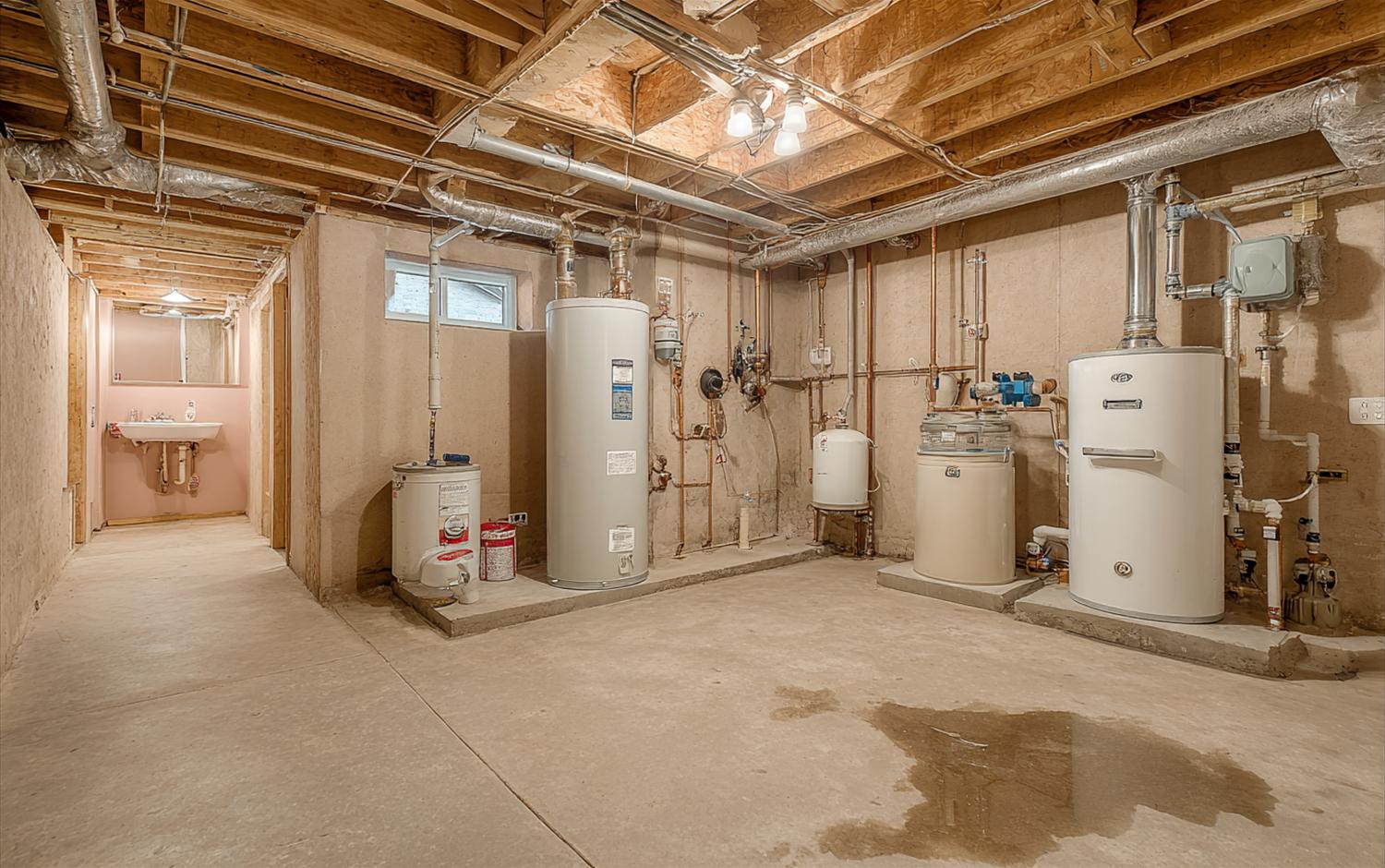
The Basement Furnace Room: Water Heaters, Softeners and Floor Drains
Three appliances and a drain in one small room.
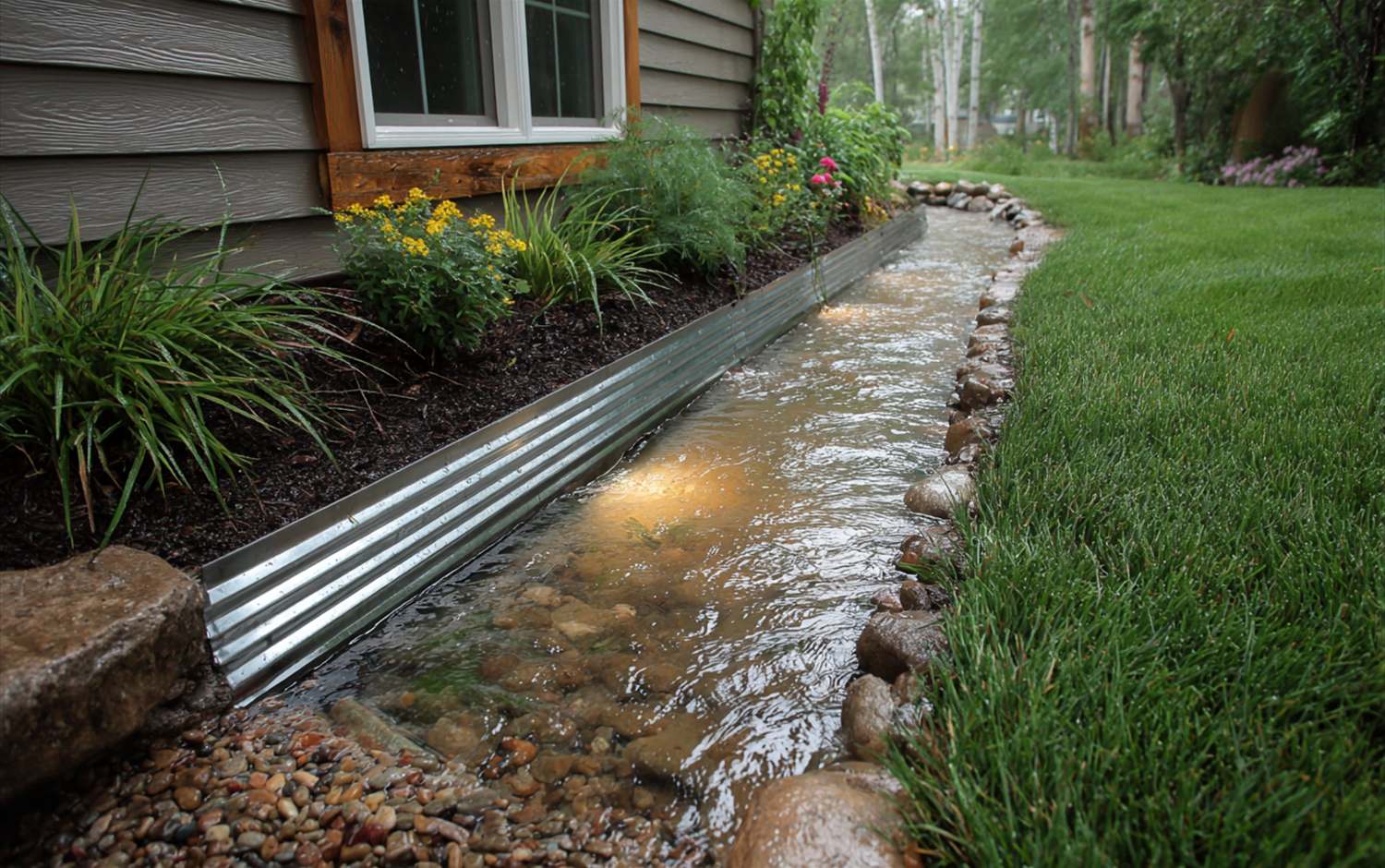
Window Wells and Egress Windows: Where Basement Water Gets In
The well, the drain at the bottom, and the window above it.