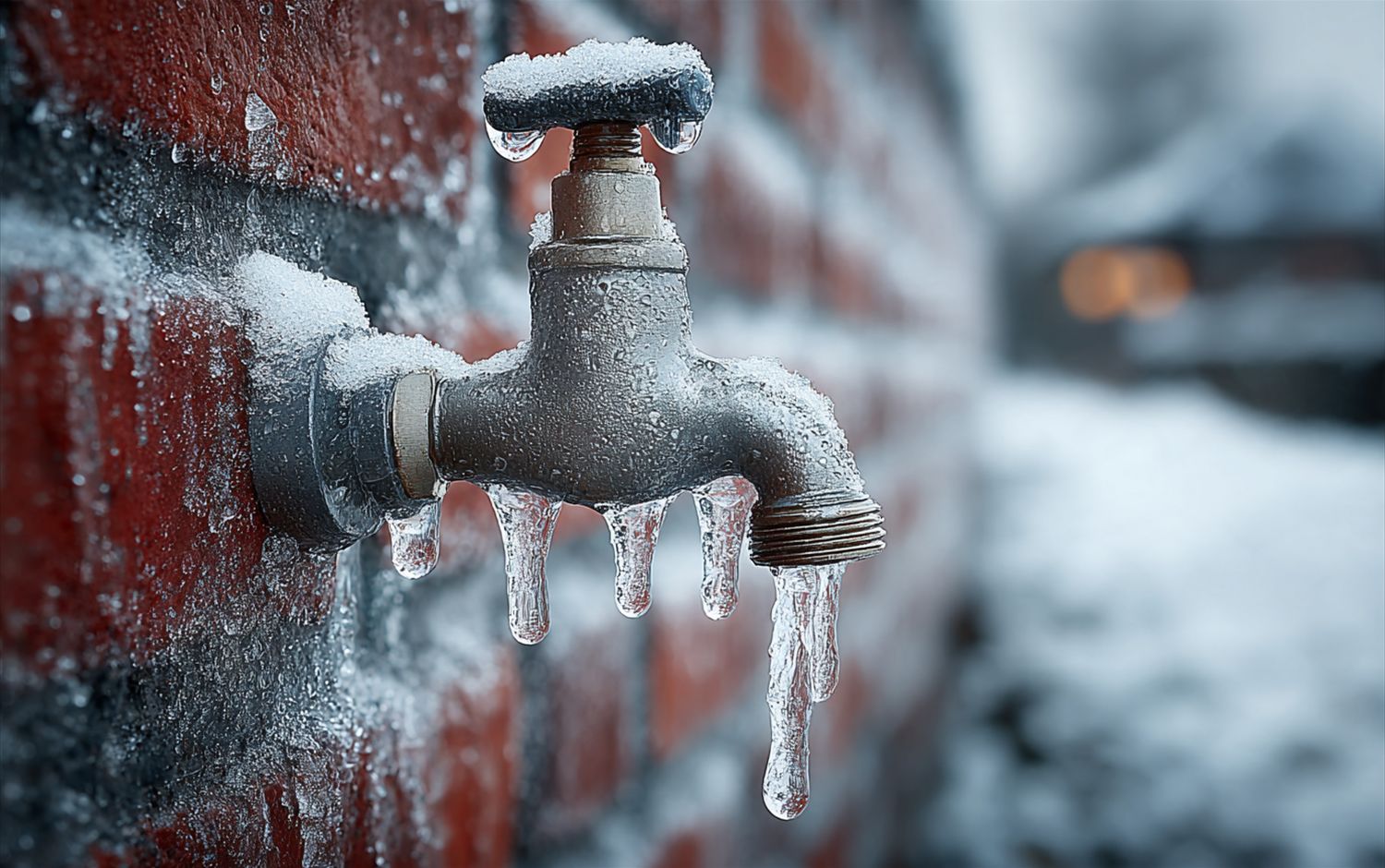
Source: water inside a pipe, faucet or sprinkler part freezing, expanding and splitting it. The leak usually starts at the thaw, often somewhere you can't see.
Valley Cold
Salt Lake Valley winters bring cold snaps that settle in. Arctic air can sit in the valley for days, and nights in the single digits aren't unusual. Inversions trap the cold near the ground. Houses here are built for winter, but the parts of a plumbing system that sit outside the heated envelope freeze first, and a lot of them belong to the yard.
What Splits First
| Part | Why |
|---|---|
| Hose bibs with a hose still attached | The hose holds water in the faucet, even a frost-free one |
| Sprinkler backflow assemblies | Above ground on the side of the house, full of water if not drained |
| Sprinkler lines and valves | Not blown out before the first hard freeze |
| Pipes in garage walls and ceilings | The garage isn't heated |
| Lines in exterior walls | Gaps in insulation, drafts at outlets |
| Sink lines in cabinets on outside walls | Warm air can't reach them |
Source: a split hose bib can leak inside the wall where the faucet connects. Those leaks often show up in the basement ceiling or wall below, sometimes not until spring, when the faucet is turned on.
The Thaw
The pattern is consistent: a tap gives little water during the cold, the weather turns, and a few hours later there's water where it shouldn't be. Garage ceilings drip, basement drywall darkens, a cabinet floor swells. While a line is frozen, the ice holds the water back. When it melts, the split pours.
After a Split
- Close the main. In many West Jordan homes it's in the basement near the water heater.
- Open a faucet on the lowest level to drain the pressure.
- Turn off the water heater if the main will be off for a while.
- Stay out from under wet ceilings and away from water near fixtures.
- Photograph everything and call.
The restoration company handles extraction and drying. The pipe itself is repaired by whoever you choose. More: burst and frozen pipes.
Getting Ready for Winter
- Disconnect hoses before the first freeze.
- Have the sprinkler system blown out each fall, and drain or insulate the backflow assembly.
- Keep the heat on when you travel; a thermostat in the mid-50s is a common minimum.
- Open cabinet doors under sinks on outside walls during a cold snap.
- Find the main shutoff before winter, and test that the handle moves.
- Insulate pipes in the garage and crawl spaces.
Drying in Winter
Winter drying happens in a closed, heated house. The dry valley air helps dehumidifiers work well, and burst-pipe water starts clean, so framing and sometimes drywall can be dried in place. Garage ceilings and outside-wall cavities are often opened so air reaches the wet wood. Expect readings each visit until the numbers match dry areas. More: water mitigation and drying.
Around West Jordan
West-side houses in Copper Hills and Jordan Hills take the cold off the Oquirrhs first. In Edenbrooke and Bluffdale, long sprinkler runs and outbuilding lines add places for water to freeze.
National Weather Service Salt Lake City Ready.gov: getting ready for winter storms
Inversions and the Long Cold
Salt Lake Valley winters have a pattern of their own: inversions. Cold air settles into the valley under a lid of warmer air and can stay for a week or more, keeping temperatures low day and night while the mountains sit in sunshine above. During a long inversion, a garage or crawl space never warms up, and a line that would survive one cold night freezes solid by the third or fourth. When a storm finally clears the inversion, temperatures can swing up quickly, and that's often when a cluster of thawing pipes starts leaking across the valley. A week of hard cold is a good reason to check the garage, the hose bibs and the sprinkler backflow before the thaw arrives.
Leaving Town in Winter
Holiday trips are a common setup for frozen pipes. The heat gets turned down, a cold snap arrives, and nobody is home to notice a tap running slow. Before a winter trip, leave the thermostat at a safe minimum, open sink cabinets on outside walls, and ask a neighbor to check the house if the forecast turns bitter. Some owners close the main and drain the lines before a long absence; others install a leak sensor that sends an alert.
Questions
Is a frost-free hose bib safe from freezing?
Only with the hose disconnected. A hose traps water in the valve, and it can split inside the wall.
Should I thaw a frozen pipe with a torch?
No. Open flames near walls are a fire risk. Close the main and get help.
Does insurance cover burst pipes?
Often, for sudden damage in a heated house. Policies differ, especially for homes left vacant or unheated.
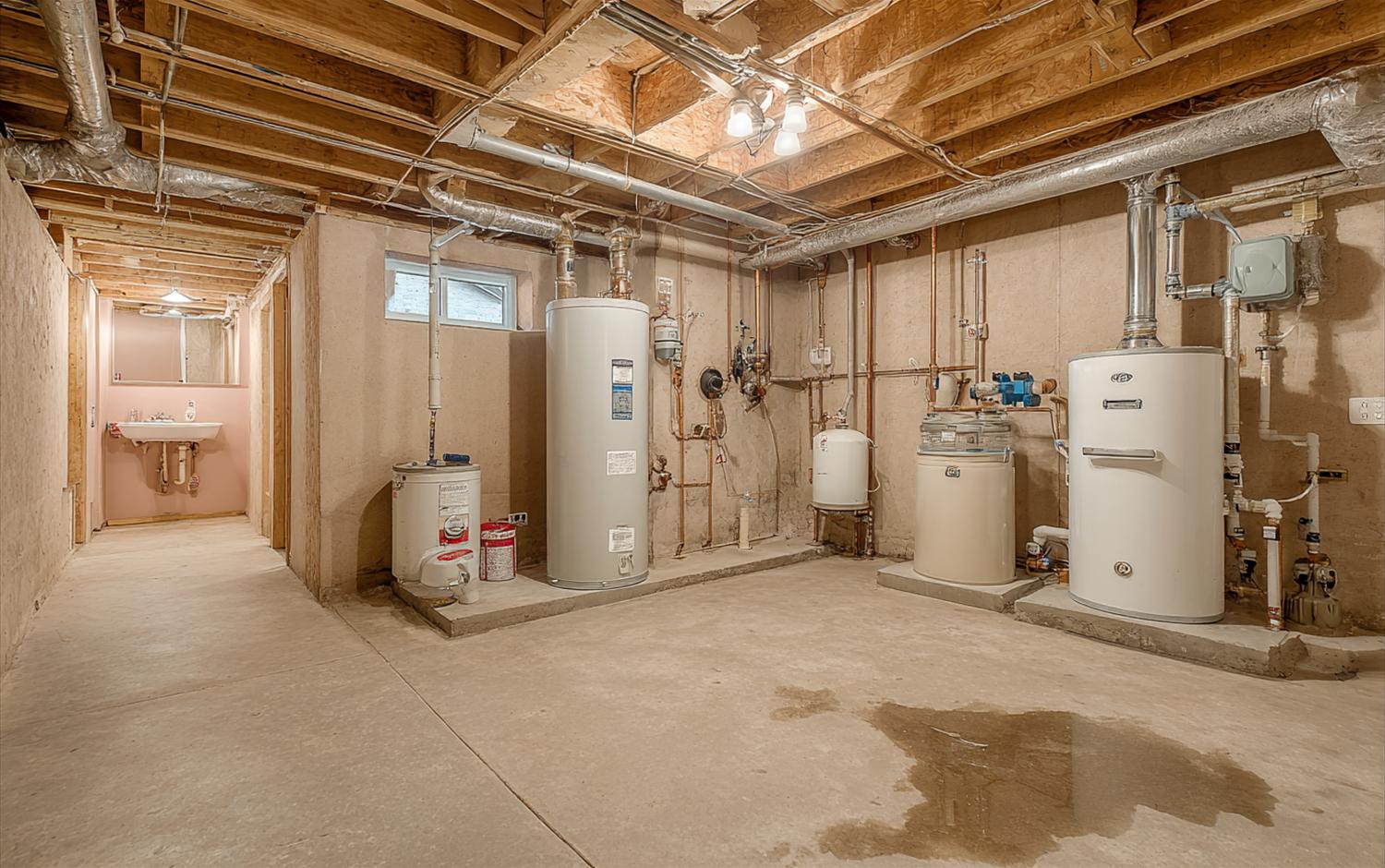
The Basement Furnace Room: Water Heaters, Softeners and Floor Drains
Three appliances and a drain in one small room.
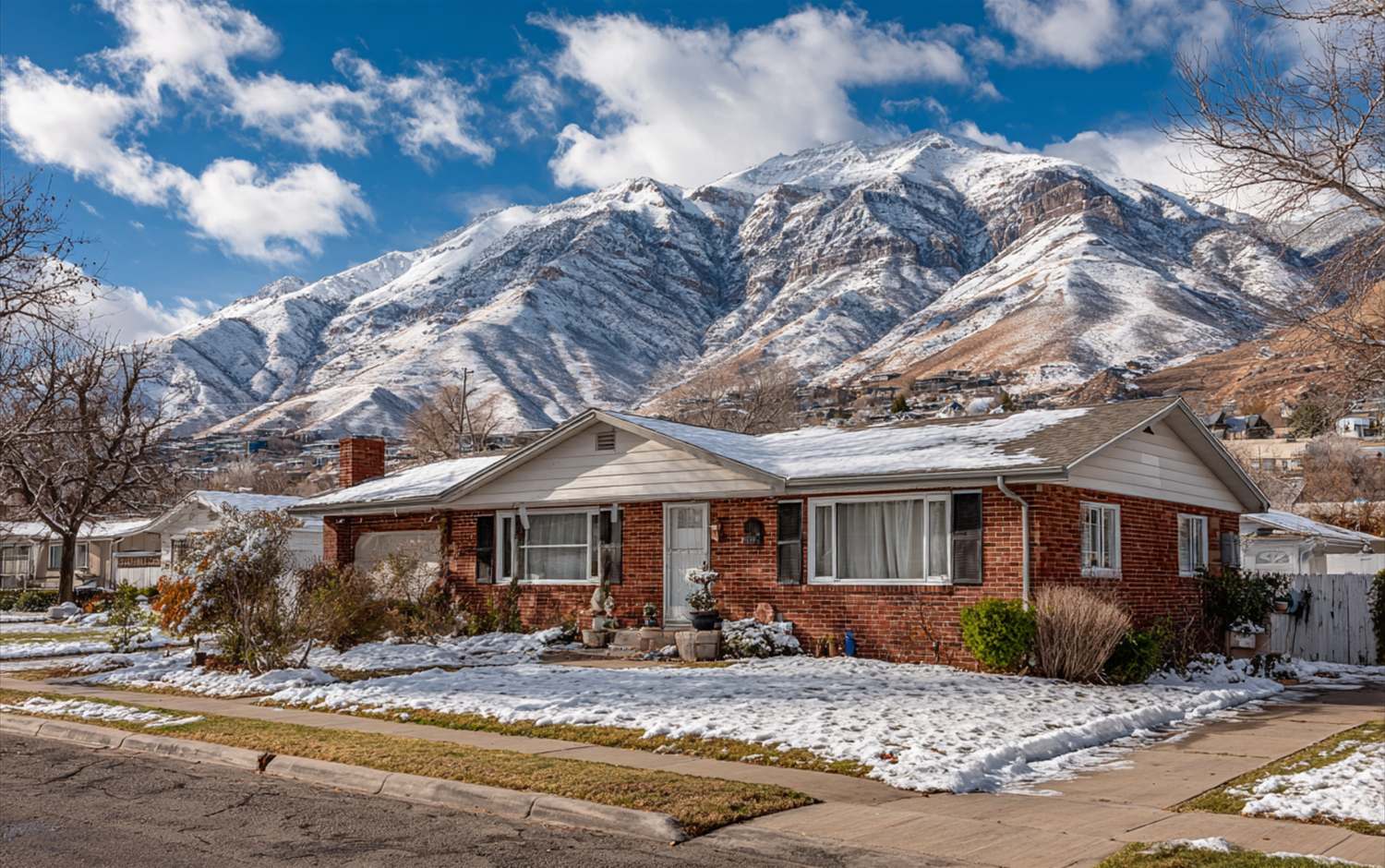
Split-Entry and Rambler Basements: How 1970s–90s Houses Handle Water
Half-buried windows, block walls and older plumbing.